


Dry Eye Doesn't Go Away
Dry eye is a chronic condition, not a temporary problem. It does not simply clear up on its own, and it cannot be cured.
While symptoms can improve, they need to be managed over time. With the right understanding and consistent care, you can reduce discomfort and keep your eyes more stable and comfortable.
Dry Eye Zone was created by eye care professionals to provide clear, expert-led guidance for those experiencing dry eye symptoms.
More than just a place to access products, it is a trusted source of information designed to support your eye care professional’s advice and help you make informed decisions about your care.
By simplifying complex information, Dry Eye Zone helps you better understand your condition and take confident steps towards long-term relief.
The information provided is intended to support, not replace, a comprehensive assessment by an eye care professional. To find a practitioner near you, search here.
Dry Eye, Explained

Is Dry Eye a Chronic Condition?
In short, yes, dry eye is often a chronic condition.
It usually develops over time and can persist if the underlying causes aren’t addressed. The good news is that with the right approach, symptoms can be managed effectively and kept under control.

What are common makeup mistakes?
In short, makeup mistakes can often make dry eye symptoms worse.
Applying makeup can block important glands, while using products that aren’t designed to be eye-safe, or that contain harsh or unsuitable ingredients, can increase irritation. Choosing the right products can make a meaningful difference.
Read our Dry Eye Fundamentals Guide
Download a PDF copy here or request it in the post &
get something special with your copy
FAQs
What is dry eye?
Dry eye is a condition where the quantity or quality of your natural tears is disrupted. Tears play an essential role in lubricating, protecting, and nourishing the eyes.
When this balance is affected, the tear film becomes more concentrated, which can trigger inflammation on the surface of the eye. Dry eye is considered a chronic and progressive condition, meaning it can worsen over time if not properly managed.
Are there different types of dry eye?
Yes, there are two main types of dry eye, although many people experience a combination of both.
Aqueous deficient dry eye occurs when not enough of the watery component of tears is produced. Evaporative dry eye occurs when the oily layer is insufficient, causing tears to evaporate too quickly.
Identifying the type of dry eye is important in guiding effective management.
What causes dry eye?
Dry eye can be influenced by a range of factors. Ageing can reduce both the quantity and quality of tears. Hormonal changes, particularly in women, can also play a role.
Lifestyle factors such as prolonged screen use, environmental exposure, and lack of sleep can contribute. Certain medications and underlying health conditions may also increase the risk.
What are the common symptoms of dry eye?
Dry eye symptoms can vary from person to person, which can sometimes make the condition difficult to recognise. Common symptoms include a scratchy or gritty sensation, stinging or burning, redness, itching, soreness, watery eyes, sensitivity to light, and a feeling of heavy or tired eyes.
Some people also notice fluctuations in vision, such as brief blurring after blinking. It is also possible to have dry eye without noticeable symptoms.
How is dry eye diagnosed?
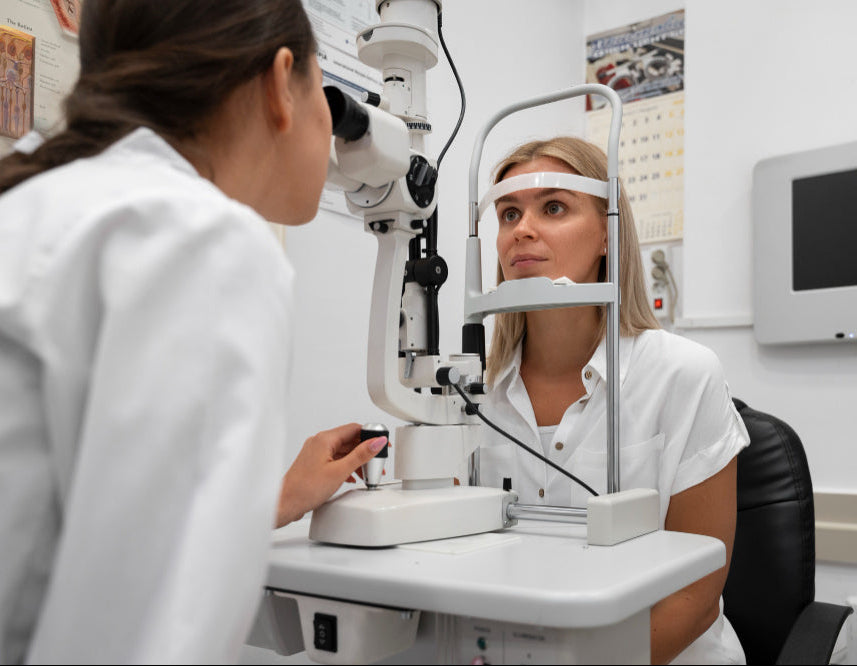
Dry eye is diagnosed through a combination of symptom discussion and clinical tests carried out by an eye care professional. These may assess tear quality, tear production, and the health of the ocular surface. An accurate diagnosis is essential to ensure the right management approach.
Can dry eye be cured?
Dry eye is a long-term condition that does not typically resolve on its own. However, with the right diagnosis and management plan, symptoms can be effectively controlled.
An eye care professional can identify the underlying causes and recommend a tailored approach to help manage the condition and protect long-term eye health.
Where do tears come from?
Tears are produced by specialised glands in and around the eyes. The watery component is produced by the lacrimal glands, while the oily layer comes from the meibomian glands along the eyelid margins.
With each blink, tears are spread across the eye before eventually draining away or evaporating.
What are tears made of?
Your tear film is made up of three key components: a mucin layer, a watery (aqueous) layer, and an outer oily layer. Together, these work to keep the surface of the eye smooth, protected, and well-lubricated.
A disruption in any part of this system can lead to dry eye symptoms.
Why do my eyes water if I have dry eye?
Watery eyes are a common and often confusing symptom of dry eye. This happens because the eye produces excess reflex tears in response to irritation. However, these tears do not have the right composition to properly lubricate the eye.
What is meibomian gland dysfunction (MGD)?
Meibomian gland dysfunction is one of the leading causes of dry eye. It occurs when the glands along the eyelids become blocked or do not function properly, reducing the quality of the tear film and increasing evaporation.
Can screen use make dry eye worse?
Yes, prolonged screen use can contribute to dry eye symptoms. When focusing on screens, we tend to blink less frequently, which reduces the spread of tears across the eye and increases evaporation.
Is dry eye linked to contact lens wear?
Contact lenses can contribute to dry eye symptoms in some individuals by affecting the stability of the tear film. If discomfort occurs, an eye care professional can advise on suitable options or adjustments.
Why is inflammation important in dry eye?
Inflammation is part of the body’s natural defence response. In dry eye, it occurs when changes in the tear film, such as increased evaporation, disrupt the normal environment of the eye.
This inflammatory response contributes to many of the symptoms people experience, including irritation, redness, and discomfort.
Why is it important not to ignore dry eye?
If left unmanaged, dry eye can lead to ongoing inflammation and damage to the surface of the eye, affecting both comfort and vision quality.
It can also impact daily life, including sleep and overall wellbeing. Early understanding and appropriate management are key to achieving long-term relief.
How long does it take to see improvement?
Improvement varies depending on the individual and the underlying cause of dry eye. With a consistent and appropriate management routine, many people begin to notice gradual improvements over time.
Do I need to follow a daily routine?
Yes, consistency is key in managing dry eye. A structured daily routine helps maintain tear film stability, reduce inflammation, and prevent symptoms from worsening.
When should I see an eye care professional?
If you are experiencing ongoing symptoms such as discomfort, irritation, or changes in vision, it is important to seek professional advice. Early assessment can help prevent progression and ensure the most effective care plan.
Can't find what you're looking for?
Send us an email to ask any questions you may have and our expert team will get back to you as soon as possible.
Please email us at info@dryeyezone.co.uk


Gain clarity on how dry eye is accurately identified and assessed. Our blogs walk you through the diagnostic process, from recognising key symptoms to the clinical tests used by eye care professionals, helping you feel more confident about your condition and the next steps in your care.
Learn what may be driving your dry eye symptoms. Our blogs break down the underlying causes, from tear film imbalance to environmental and lifestyle factors, providing clear, expert-led explanations that help you better understand your condition and take more informed steps towards effective management.
Understand how everyday habits can influence your dry eye symptoms. From screen use and environment to nutrition and daily routines, our blogs offer clear, expert-led guidance to help you reduce triggers, improve comfort, and better manage your condition day to day.
Explore the latest developments in dry eye research through expert-led insights designed to keep you informed and empowered. Our blogs translate emerging evidence and evolving treatments into clear, accessible guidance, helping you better understand your condition and the options available to support long-term eye health.
The Dry Eye Zone Experience?
-
Management Insights
Information to help you understand your dry eye
-
Curated by Experts
Developed and recommended by
eye care experts -
Clinically Proven Ingredients Evidence-backed ingredients designed to support eye health
-
Free Delivery Over £50
Consciously shipped same day across the UK